
Welcome! In this article, we will break everything down in a simple and practical way.
Introduction
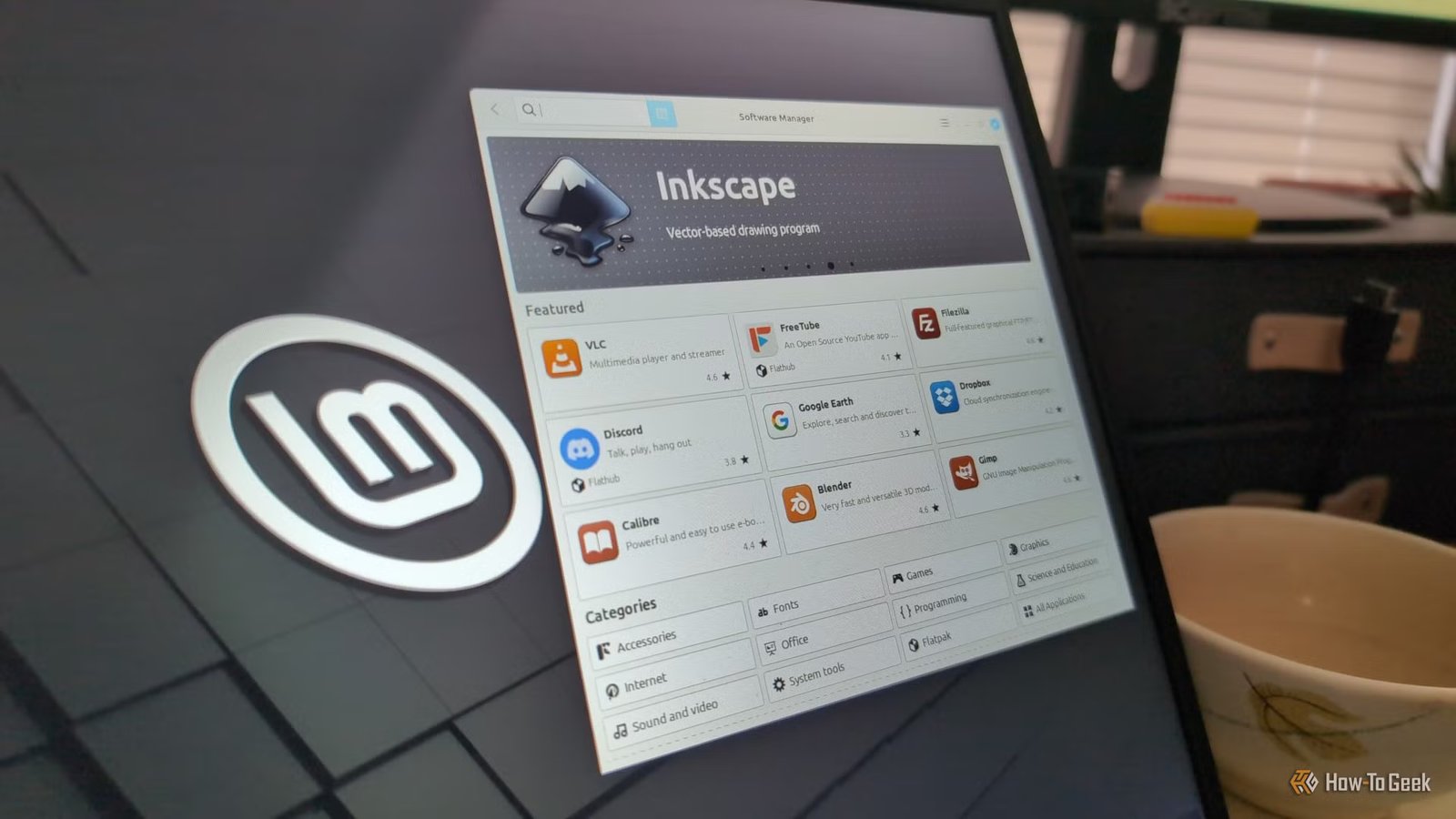
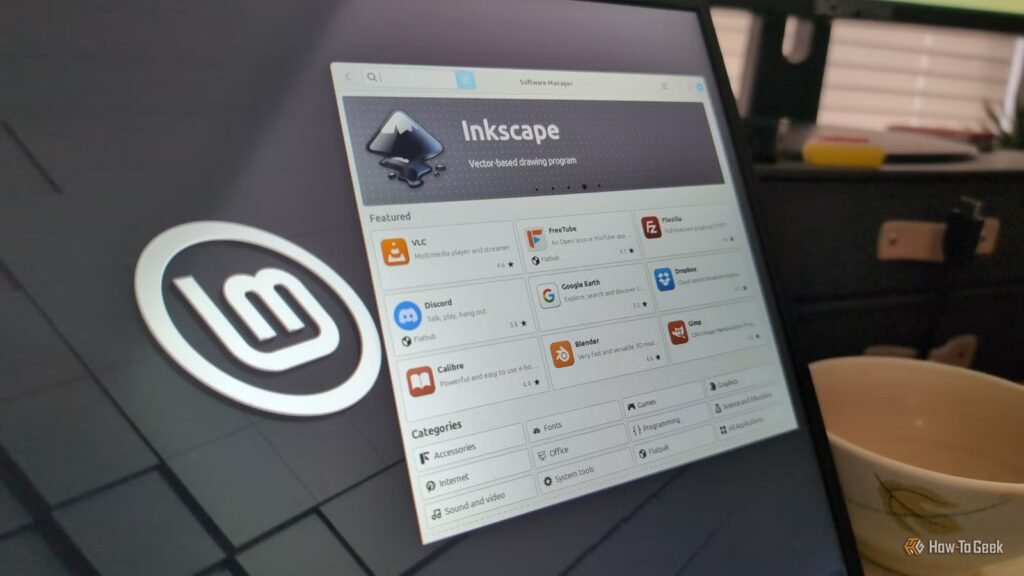
When you switch to Linux, you’ll notice that sometimes there are apps which don’t have a native version on Linux. At that point, you might be told that you need to run your app through a compatibility layer. However, before you try to open that can of worms, it’s a good idea to look for an open-source replacement for that app.
KDE Connect, not Phone Link
Works for Android and iOS
Windows has a built-in phone companion app called Phone Link. On Linux, you can install KDE Connect instead. It’s a free and open source app available on all major mobile and desktop platforms. Phone Link requires that you sign up with a Microsoft account, but for KDE Connect, your phone and computer just need to be on the same network connection. The app will show you a list of available devices, and you can connect to them with just one tap on your phone. You can use it to share files and sync the clipboards. With KDE Connect enabled, whatever text I copy on my computer instantly shows up on my phone’s keyboard app. Your notification alerts will be sent from your phone directly to your PC. You can even reply to text messages directly from your computer.
It has some features which Phone Link doesn’t. KDE Connect turns your phone into a presentation remote. You can also use it to control music playback on your computer. There’s even a feature that gives you a virtual keyboard and trackpad to connect with your PC for remote input. If you don’t need all these extra features, and your only concern is to share files and text between your devices, I cannot recommend LocalSend enough. Think of it as an open source version of Airdrop. It’s much more modern and seamless. KDE Connect’s file sharing features aren’t that great.
btop, not Task Manager
This is a must-have
Some Linux distros, like ZorinOS, come with a dedicated resource monitor app. GNOME-based systems have a system monitor app too. However, on most Linux distros, you won’t find a native Task Manager app like that. Instead, you can open the terminal and run a simple command like top or htop to monitor the resource activity.
These commands will work on all Linux machines, but you can see their interfaces are pretty dated. That’s why I always keep btop installed on my Linux computers. It’s a beautiful system monitor that works within the terminal. On Debian or Ubuntu systems, sudo apt install btop On Fedora machines, sudo dnf install btop You can use it with the mouse or the keyboard. It displays memory, network, storage, and CPU usage in neat little blocks. You can filter and search through the active processes. And you can use keyboard shortcuts to terminate processes. You can even change themes.
PhotoGIMP, not Photoshop
GIMP but make it look like Photoshop
Photoshop is the one app which kept me tied to the Windows ecosystem for the longest time. I mostly used it for drawing and some light editing work, but I eventually switched to Krita for drawing and GIMP for the editing work. They’re both free and open-source. For my use, this setup works, but Photoshop (or really any Adobe creative product) is just one of those apps that can’t be replaced without a lot of relearning on your part. And even so, you won’t get access to those same features. So this particular recommendation comes with an asterisk. I suggest you give it a try before trying to run Photoshop through compatibility layers.
I loved Krita right away, but the default GIMP interface is still off-putting to me. Lucky for us, there’s a plugin that changes the GIMP interface to look like Photoshop’s default UI. It’s called PhotoGIMP. It comes bundled as a .zip file, which you extract into your home folder. That’s it.
RustDesk, not RDP
Dead simple and free
Windows has its built-in Remote Desktop Connection (RDP) for remoting into another Windows computer. On Linux, you can do the same with RustDesk. It’s a free and open-source utility that lets you connect to another computer and control it remotely.
You can install it on both computers from the official GitHub repo. When you launch RustDesk, it’ll generate an ID and a one-time password on both computers. You just have to enter that code on the other computer and hit “Connect” to establish a connection. It’ll ask you to enter that one-time password and that’s all.
It’s simple to use and completely free. Also, you’re not limited to Linux with RustDesk because it works on all major platforms.
LibreOffice, not Microsoft Office
Takes you back to the classic days of Microsoft Office
LibreOffice is built to replace the entire Microsoft Office suite. It’s free and open-source, and it works completely offline. Think of the classic versions of Microsoft Office from the 2000s, and that’s basically the impression I always get when using LibreOffice apps. It can even open, edit, and save Microsoft’s proprietary formats like .doc, .docx, .ppt, .pptx, .xls, .xlsx, .pub, and so on.
You get Writer instead of Word, Calc instead of Excel, Impress instead of PowerPoint, Draw instead of Publisher, and Access instead of Base. It doesn’t have an Outlook alternative, but you can always install Thunderbird if you need something like that.
Always search for an open-source alternative when you can’t find a Linux native version
The Linux desktop experience has come a long way from where it stood even just a few years ago. You can likely find decent open-source alternatives for pretty much all your favorite apps. The only exceptions I can think of are Adobe creative products and more niche applications that aren’t mainstream.
Conclusion
Thanks for reading this tutorial on HunterSam. Stay updated with smart how-to guides, troubleshooting tips, and easy tech tutorials.
Related Articles
This luxury SUV delivers more than a new RAV4 for less money
T-Mobile's most affordable 5G home internet plan just got worse
Hue app slip-up may have revealed Philips Hue’s next smart lights
Frequently Asked Questions
What is Leaving Windows? Swap your favorite apps with these 5 Linux alternatives?
Leaving Windows? Swap your favorite apps with these 5 Linux alternatives is an important topic that helps users better understand modern technology and SEO strategies.
Why is this topic important?
This topic is important because it improves productivity, SEO performance, and overall digital growth.
Can beginners understand this topic?
Yes, beginners can easily understand this topic with the help of practical examples and step-by-step guidance.
Additional Insights
Understanding this topic in depth can significantly improve your blogging strategy, SEO performance, and overall website authority.
Modern AI tools and automation systems are transforming the way content is created, optimized, and published online.
Consistency, SEO optimization, and helpful content are the key factors behind successful digital growth.
Expert Tips
- Focus on high-quality helpful content.
- Use SEO-friendly headings and keywords.
- Maintain proper internal linking.
- Optimize featured images and metadata.
- Update articles regularly for freshness.
🚀 Recommended Tools
Explore premium AI tools and SEO resources to grow your website faster.
View Recommended Tools
Google AdSense Area