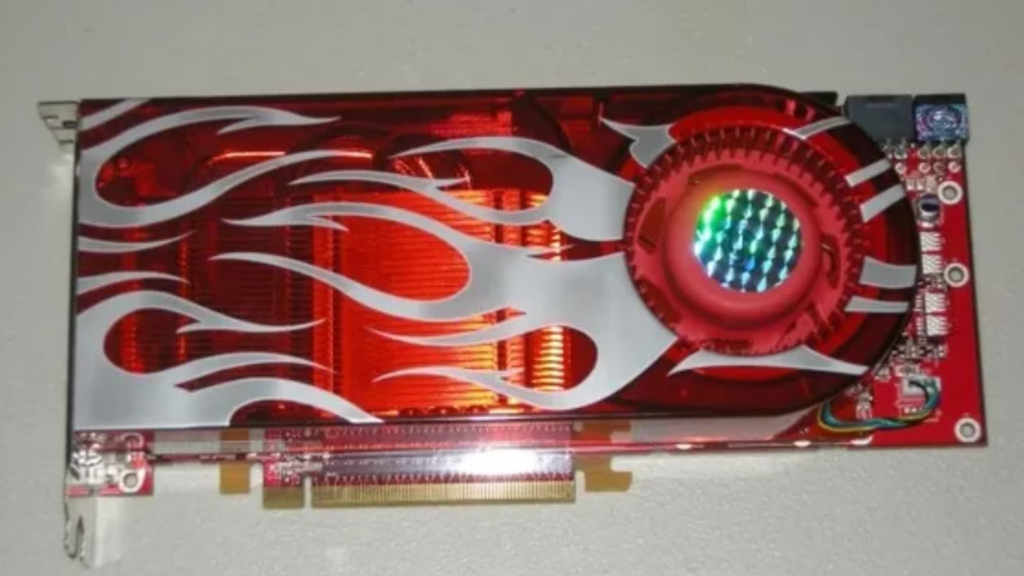

Reviving the Past: How AI and Linux Devs are Keeping Old AMD Radeon Cards Alive
As technology continues to advance at an unprecedented pace, it’s easy to forget about the innovations of the past. However, the world of graphics processing units (GPUs) is a prime example of how old hardware can be repurposed and reimagined. In this article, we’ll delve into the fascinating story of how AI and Linux developers are breathing new life into old AMD Radeon cards.
The Rise and Fall of AMD Radeon
Launched in the early 2000s, AMD Radeon graphics cards quickly gained popularity for their performance and affordability. Over the years, AMD released numerous iterations of their Radeon series, each offering improved performance, power efficiency, and features. However, with the introduction of new technologies like NVIDIA’s GeForce and AMD’s own Radeon RX series, many of these older cards became obsolete.
The Linux Community Steps In
Despite being deemed outdated, many of these older AMD Radeon cards still held value for certain applications. Linux developers, in particular, saw an opportunity to breathe new life into these cards by creating custom drivers and optimizing the hardware for specific use cases. The Linux community has always been known for its innovative spirit, and this project is no exception.
The Role of AI in Reviving Old Hardware
AI and machine learning algorithms have become increasingly important in the world of computer science. By leveraging AI, developers can optimize complex tasks, identify patterns, and make predictions with unprecedented accuracy. In the case of reviving old AMD Radeon cards, AI plays a crucial role in several areas:
* Driver Development: AI-powered tools can analyze the code and identify areas where performance can be improved. This allows developers to create custom drivers that optimize the hardware for specific applications.
* Memory Management: AI can help optimize memory usage, reducing the risk of memory leaks and crashes.
* Power Management: By analyzing power consumption patterns, AI can help developers create drivers that minimize power usage, reducing heat generation and prolonging the lifespan of the hardware.
How AI and Linux Devs are Keeping Old AMD Radeon Cards Alive
Several projects have emerged in recent years, showcasing the potential of AI and Linux development in reviving old AMD Radeon cards. Some notable examples include:
* RadeonOpenCompute (ROCm): An open-source platform for high-performance computing, ROCm allows developers to create custom drivers and optimize their hardware for specific applications.
* Mesa: An open-source graphics driver, Mesa provides a framework for developers to create custom drivers and optimize their hardware for specific use cases.
* AMDGPU: The official open-source driver for AMD graphics hardware, AMDGPU has seen significant improvements in recent years, thanks in part to the contributions of the Linux community.
Real-World Applications
While reviving old AMD Radeon cards may seem like a niche topic, the implications are far-reaching. Some potential applications include:
* Scientific Research: Old GPUs can be repurposed for tasks like data processing, simulations, and machine learning, making them an attractive option for researchers.
* Data Centers: With the increasing demand for cloud computing and data storage, old GPUs can be repurposed as nodes in data centers, providing a cost-effective solution for large-scale computing.
* Retro Gaming: For retro gaming enthusiasts, old GPUs can be repurposed to run classic games, providing a unique gaming experience.
Conclusion
The story of how AI and Linux developers are keeping old AMD Radeon cards alive is a testament to the power of innovation and community-driven development. By leveraging AI and open-source software, developers can breathe new life into outdated hardware, making it an attractive option for a variety of applications. As technology continues to advance, it’s essential to remember the innovations of the past and find ways to repurpose and reuse existing hardware.
FAQs
1. Q: What is the primary goal of reviving old AMD Radeon cards