
Mesh Wi-Fi is a Trap for Apartment Dwellers—Here’s What You Should Use Instead
As an apartment dweller, finding a reliable and efficient Wi-Fi solution can be a daunting task. You’ve likely come across mesh Wi-Fi systems, which promise to blanket your entire apartment complex with strong and consistent coverage. However, mesh Wi-Fi may not be the best solution for your needs. In this article, we’ll explore the limitations of mesh Wi-Fi and recommend alternative solutions that can meet your apartment’s unique Wi-Fi demands.
The Limits of Mesh Wi-Fi
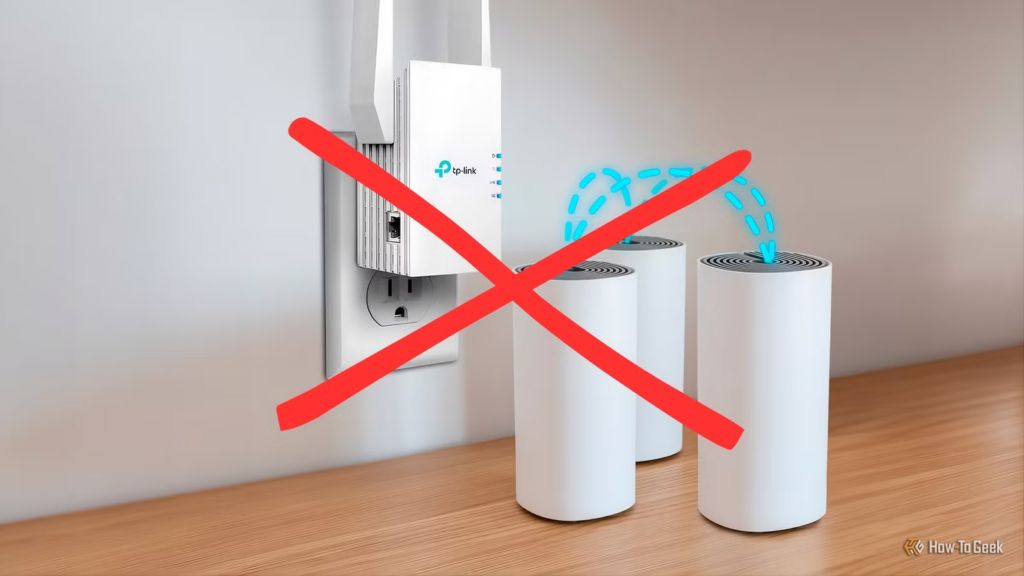
Mesh Wi-Fi systems, such as Google Wifi or Netgear Orbi, use a network of nodes to create a web-like coverage area. These nodes communicate with each other to provide a strong and consistent signal. However, mesh Wi-Fi has several limitations that make it less than ideal for apartment dwellers. For one, mesh Wi-Fi systems can be expensive, with prices ranging from $100 to $300 for a basic setup. Additionally, mesh Wi-Fi systems can be difficult to set up and manage, especially for those who are not tech-savvy.
Another limitation of mesh Wi-Fi is its reliance on the physical layout of your apartment. Mesh Wi-Fi systems work best when the nodes are placed in a central location and have a clear line of sight to each other. However, apartment complexes often have obstructions, such as walls and floors, that can interfere with the signal. This can lead to dead zones and poor coverage, which can be frustrating and affect your online experience.
Alternatives to Mesh Wi-Fi
Fortunately, there are alternative solutions to mesh Wi-Fi that can meet your apartment’s unique Wi-Fi demands. Here are a few options to consider:
* Powerline adapters: These devices use your home’s electrical wiring to create a network of Ethernet connections. This can be a more reliable and efficient way to connect your devices to the internet, especially in areas with poor Wi-Fi coverage.
* Wi-Fi extenders: These devices can be placed in areas with poor coverage and can boost the signal to provide a stronger connection. However, Wi-Fi extenders can add additional latency and may not provide the same level of performance as a wired connection.
* MoCA adapters: These devices use your home’s coaxial cable infrastructure to create a network of Ethernet connections. This can be a more reliable and efficient way to connect your devices to the internet, especially in areas with poor Wi-Fi coverage.
Benefits of Alternative Solutions
Alternative solutions to mesh Wi-Fi have several benefits that make them an attractive option for apartment dwellers. For one, they can be more cost-effective than mesh Wi-Fi systems, with prices ranging from $50 to $100 for a basic setup. Additionally, alternative solutions can be easier to set up and manage, especially for those who are not tech-savvy.
Another benefit of alternative solutions is their ability to provide a more reliable and efficient connection. By using your home’s electrical or coaxial wiring, alternative solutions can provide a wired connection that is less susceptible to interference and drops.
Conclusion
Mesh Wi-Fi may not be the best solution for apartment dwellers. While it promises to provide strong and consistent coverage, mesh Wi-Fi has several limitations that make it less than ideal. Alternative solutions like powerline adapters, Wi-Fi extenders, and MoCA adapters can provide a more reliable and efficient connection at a lower cost. By considering these alternative solutions, you can create a Wi-Fi network that meets your unique needs and provides a better online experience.
Frequently Asked Questions
* Q: What are the limitations of mesh Wi-Fi?
* A: Mesh Wi-Fi systems can be expensive, difficult to set up and manage, and reliant on the physical layout of your apartment.
* Q: What are alternative solutions to mesh Wi-Fi?
* A: Alternative solutions include powerline adapters, Wi-Fi extenders, and MoCA adapters.
Latest AI Guides
Google SEO Documentation